New research is exploring how a once-overlooked molecule may influence diffuse midline glioma—and could help guide future treatment strategies.
For children diagnosed with DMG, including diffuse intrinsic pontine glioma (DIPG), radiation therapy remains the standard treatment. It can temporarily slow tumor growth, improve neurological symptoms, and provide valuable time.
Unfortunately, those effects are almost always temporary. Understanding why tumors eventually become resistant to radiation has become one of the central challenges in DMG research.
Although researchers have learned a great deal about the genetic changes that drive these tumors, scientists are increasingly recognizing that genetics tells only part of the story. The tumor's metabolism—how cancer cells produce and use energy—may also influence how DMG grows and responds to treatment.
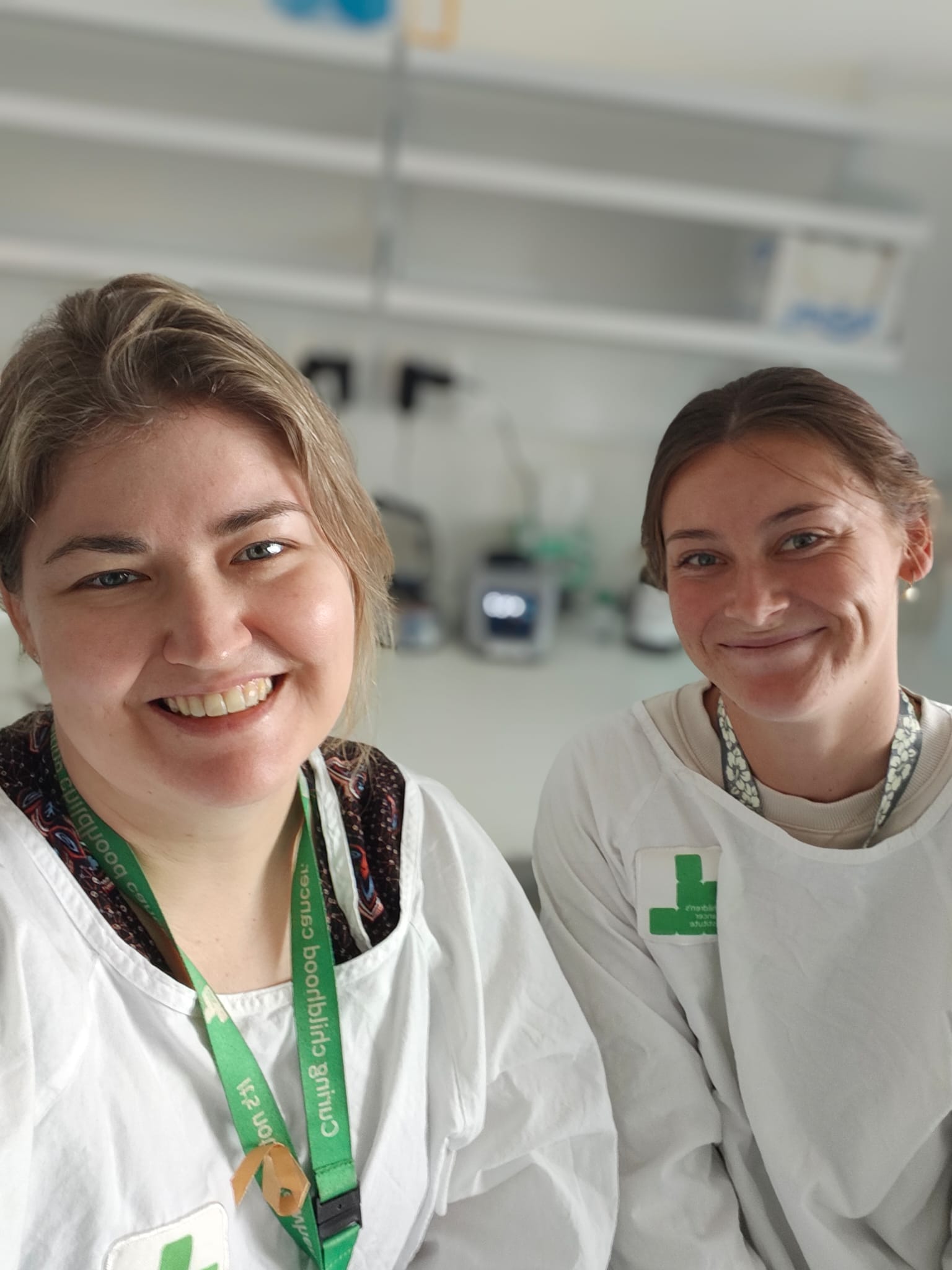
One molecule attracting growing attention is lactate. Once thought to be little more than a waste product of cancer metabolism, researchers now believe it may play an active role in how tumors grow, survive, and respond to treatment. With support from The Cure Starts Now, Dr. Jessica Bell and her team at Children’s Cancer Institute in Sydney, Australia, are investigating whether targeting lactate could eventually help improve therapies for children with DMG.
A New Understanding of Lactate
Most people associate lactate with strenuous exercise. In reality, it is a normal molecule found throughout the body, including the brain. Cancer cells, however, often produce much larger amounts.
For many years, scientists believed this excess lactate was simply a byproduct of cancer metabolism.
Researchers have since discovered that lactate can influence how cells regulate gene activity through a process called lactylation. Because many DMGs are driven by changes in the proteins that control gene activity, this finding suggested lactate may play a much more active role in these tumors than previously recognized.
Investigating Lactate in DMG
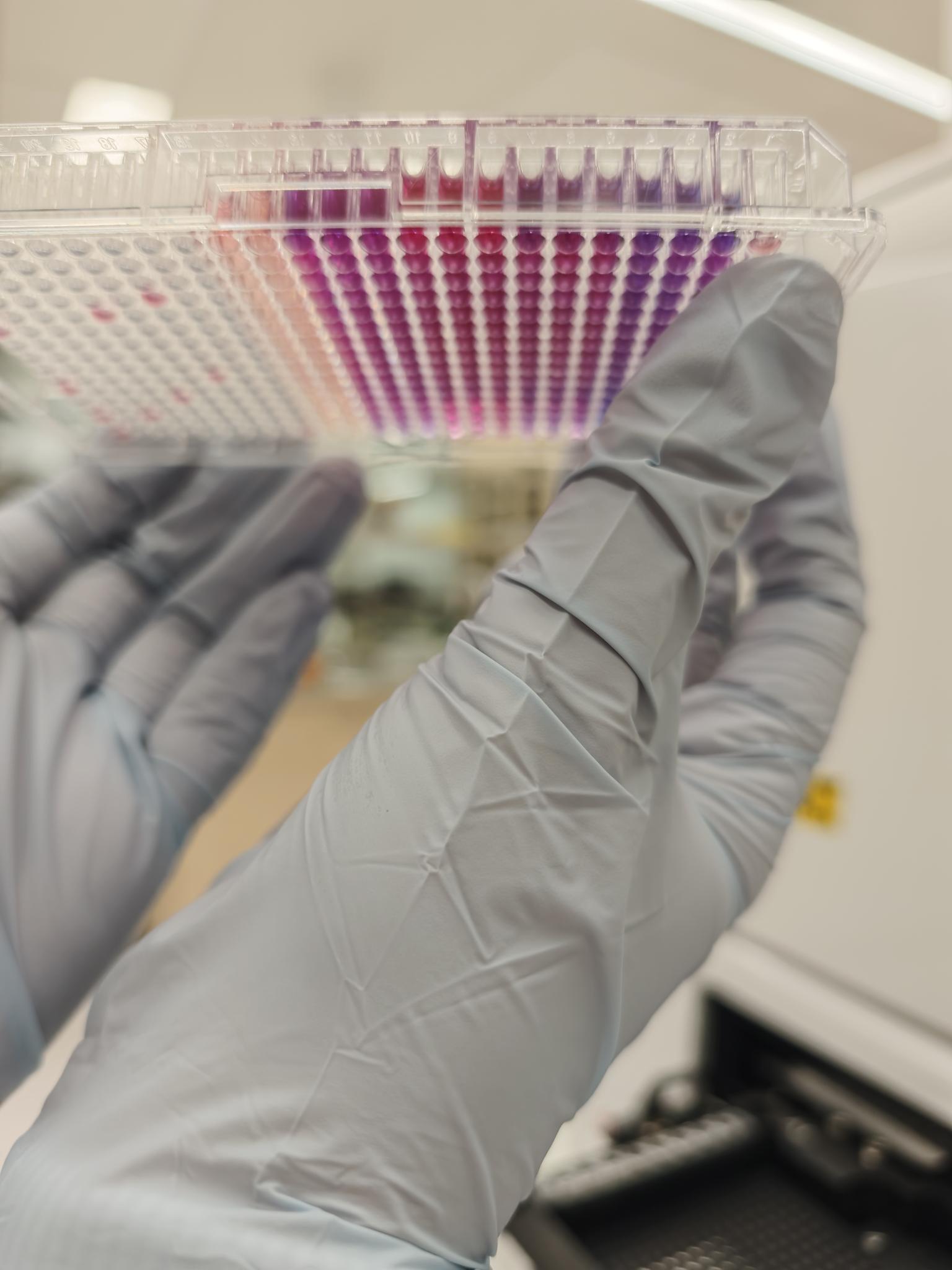
With support from The Cure Starts Now, Dr. Bell and her team examined patient samples and laboratory models to better understand lactate's role in DMG.
Using tissue samples from the Children’s Brain Tumor Network, the researchers found elevated lactate levels in pediatric brain tumor samples, including DMG, although additional studies will be needed to confirm these findings in larger groups of patients.
They also identified increased levels of lactylation within DMG cells, suggesting that lactate may influence proteins involved in how tumors grow, survive, and respond to stress.
While these findings do not prove that lactate drives tumor behavior, they add to growing evidence that it is far more than a passive byproduct of cancer metabolism.
Why Lactate May Reduce Radiation's Effectiveness
Together, these findings suggest that lactate is more than a byproduct of tumor growth—it may actively influence DMG biology.
One place where this became especially apparent was in the team's radiation experiments.
Using laboratory-grown tumor models, the researchers found that adding lactate made radiation less effective. Conversely, reducing lactate production appeared to improve radiation's effects when the two approaches were combined.
When lactate-targeting strategies were tested on their own in mouse models, however, they did not improve survival.
Taken together, these findings suggest that targeting lactate is unlikely to be effective as a stand-alone treatment. Instead, it may prove most useful as part of combination strategies designed to improve therapies that are already used to treat DMG.
Building on an Early Discovery
The discoveries from Dr. Bell's original project raised an important new question: if lactate contributes to a treatment-resistant tumor environment, could therapies be redesigned to function more effectively within it?
Just days after discussing these findings during her webinar with The Cure Starts Now, Dr. Bell presented the next phase of her research at the 2026 International Symposium on Pediatric Neuro-Oncology (ISPNO) in Sydney, Australia. There, she was awarded The Cure Starts Now's Cure Fund to support a new project exploring how the team's discoveries about lactate could help strengthen CAR T-cell therapy.
Rather than trying to change the tumor itself, Dr. Bell's team will investigate whether CAR T cells can be engineered to better withstand the tumor's high-lactate environment by modifying a transporter called MCT-1. Dr. Bell compares the approach to giving CAR T cells a "gasmask," helping protect them from conditions that might otherwise reduce their effectiveness.
If successful, the strategy could strengthen not only this CAR T-cell approach but potentially other CAR T-cell therapies being developed for pediatric brain tumors.
Looking Ahead
This research has not changed the standard treatment for children with DMG, but it has changed how researchers think about the disease. A molecule once dismissed as a simple byproduct of tumor metabolism is now emerging as a potential contributor to how these tumors survive treatment. That new understanding has already inspired the next phase of Dr. Bell's research, illustrating how one scientific discovery often leads directly to the next.
Scientific progress rarely happens through a single breakthrough. It happens as researchers build on previous discoveries, gradually uncovering new ways to understand—and ultimately treat—complex diseases like DMG. By supporting early-stage research, philanthropic funding helps make that progress possible, allowing promising ideas to move from fundamental discovery into new treatment strategies for children with pediatric brain tumors.
Watch Dr. Jessica Bell explain these findings and what they could mean for future DMG treatments: