Developing a new treatment for pediatric brain tumors rarely starts with a clinical trial. It begins with a question: Could this discovery lead to a better treatment for children?
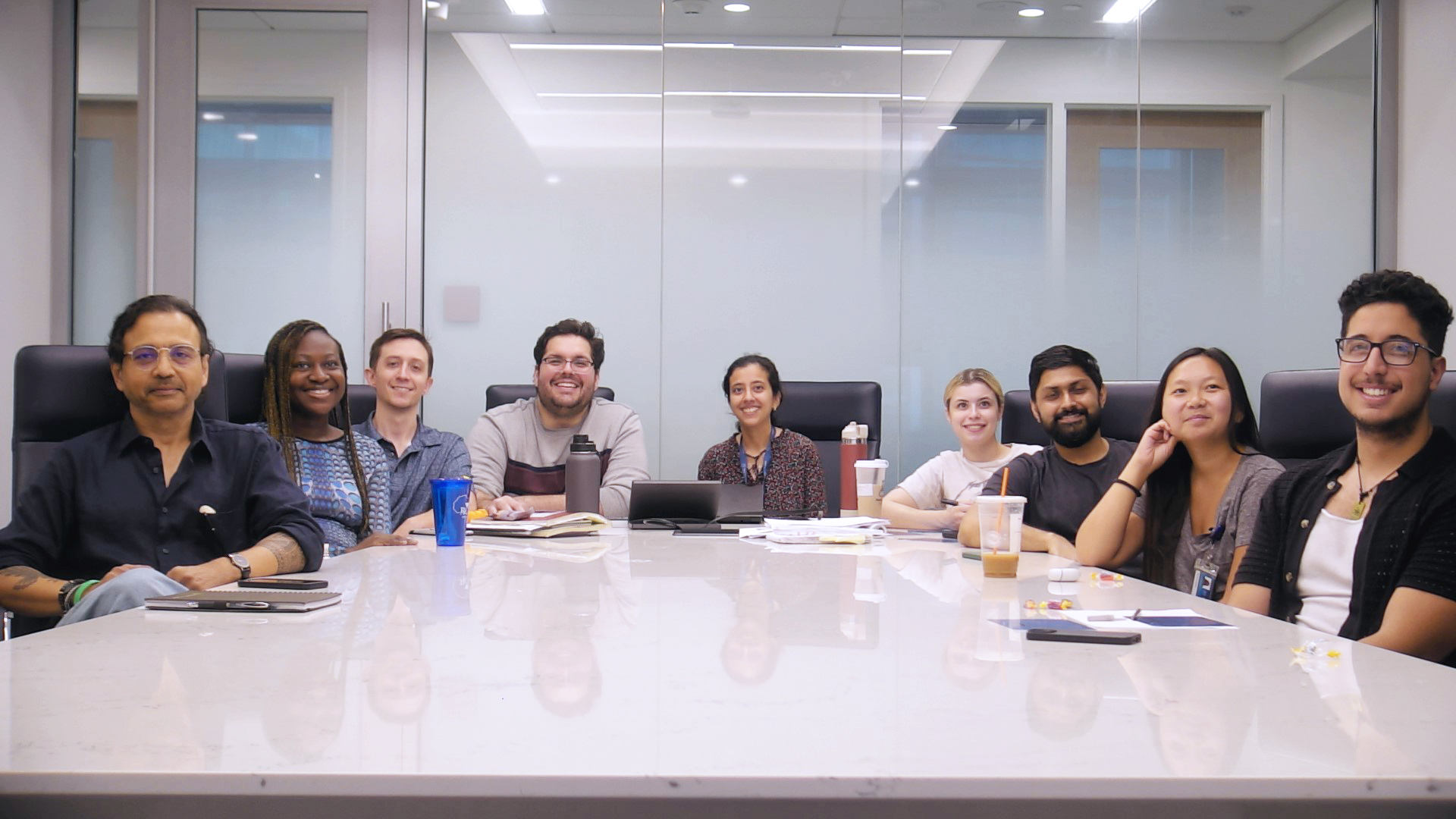
That question has guided Dr. Biplab Dasgupta and his team at Emory University as they investigate SUMOylation, a normal cellular process that cancer cells may rely on to survive. Their research is exploring whether disrupting this pathway could become a new treatment strategy for diffuse midline glioma (DMG), including diffuse intrinsic pontine glioma (DIPG), as well as other pediatric brain tumors.
How did this research begin?
While reading a paper about neuroblastoma, another childhood cancer, Dr. Dasgupta noticed similarities to what researchers were seeing in DIPG. Instead of assuming the finding applied to only one disease, he asked a broader question: Could the same pathway be important in pediatric brain tumors?
His team tested an existing SUMOylation inhibitor in patient-derived DIPG models. When the results looked promising, they expanded the work using additional tumor models from collaborators around the world. Nearly every model responded, giving the team confidence that the pathway deserved further study.
"Many scientific projects begin before they’re funded," Dr. Dasgupta said, describing how many innovative ideas begin before traditional grants are available.
Why are researchers studying SUMOylation?
SUMOylation is a normal process that helps regulate how proteins function inside cells. Cancer cells, however, may use this same process to support their growth and survival.
Instead of targeting just one change in a tumor, Dr. Dasgupta's team believes blocking SUMOylation could disrupt several processes that cancer cells rely on at the same time. The researchers are also studying exactly how this happens and which proteins are affected when SUMOylation is blocked.
Could one pathway help multiple pediatric brain tumors?
As the project evolved, the team began asking a broader question: Could this pathway also play a role in other pediatric brain tumors?
Working alongside collaborators studying medulloblastoma and atypical teratoid/rhabdoid tumor (ATRT), Dr. Dasgupta's team evaluated more than 30 laboratory models representing several pediatric brain tumors. Each showed some degree of response to SUMOylation inhibition. These findings suggest that targeting a shared biological pathway could have implications beyond a single tumor type.
What will it take to move this research into a clinical trial?
The first SUMOylation inhibitor the team studied did not cross the blood-brain barrier well enough for clinical use. Rather than abandoning the approach, the laboratory began developing new compounds with better brain penetration while also exploring focused ultrasound and direct delivery into the cerebrospinal fluid.
The team is also investigating how SUMOylation inhibitors could work alongside existing treatments. Current studies are evaluating combinations with radiation, and future work will explore combinations with CAR T cell therapy.
Rather than relying on a single strategy, the team is pursuing multiple paths toward clinical translation. Dr. Dasgupta explained that partnering with a pharmaceutical company could help accelerate development if an appropriate compound becomes available, while his laboratory continues designing improved analogs specifically for pediatric brain tumors.
What's Next?
Like many promising research programs, this project has continued to evolve as new questions have emerged. Early support from The Cure Starts Now helped generate the preliminary data needed to move the research forward and build collaborations across pediatric brain tumors.
“Funding from organizations like The Cure Starts Now is a lifeline for projects that will make a difference in DIPG and pediatric brain tumor research one day.” — Dr. Biplab Dasgupta
Watch Dr. Dasgupta explain these findings and what they could mean for future DIPG/DMG treatments: